TIME LINE OF INDIGO HISTORY BETWEEN WEST AFRICA & SOUTH CAROLINA

1600s

Spanish and English colonists introduced indigo cultivation to the Caribbean and the American colonies. They saw the economic potential of indigo as a cash crop, given the high demand for blue dye in Europe.

1630s-1650s

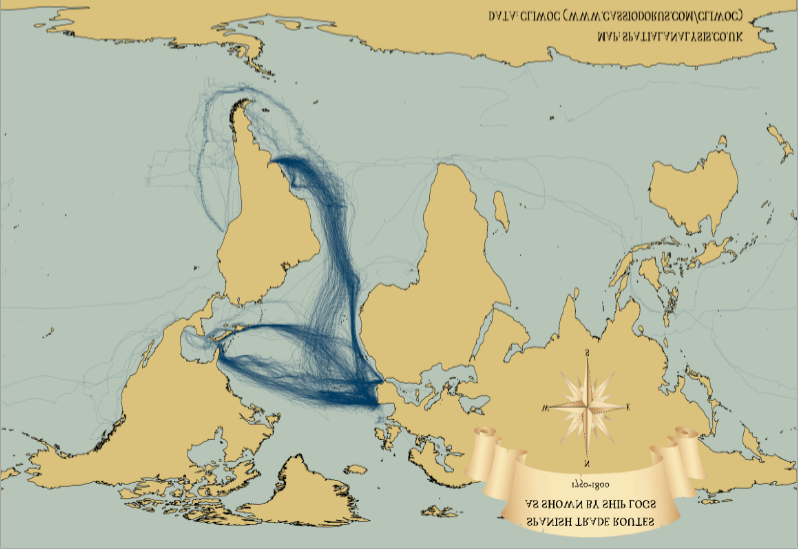
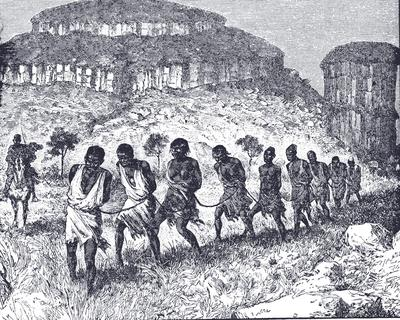
Introduction of Enslaved African Labor for Indigo Production. Indigo plantations began to rely heavily on enslaved Africans in the Caribbean, especially in Jamaica and Hati where labor-intensive processes of planting, harvesting, and dye extraction were carried out. Slaves from West Africa were taken to South Carolina. Indigo production was brutal, involving toxic fumes and repetitive tasks under harsh conditions.

1740s

Expansion of Indigo in South Carolina. In South Carolina, indigo became a major crop due to its profitability and the knowledge that enslaved Africans brought with them. Eliza Lucas Pinckney, a planter’s daughter, successfully cultivated and improved indigo production techniques, which led to South Carolina becoming a significant

1775-1783

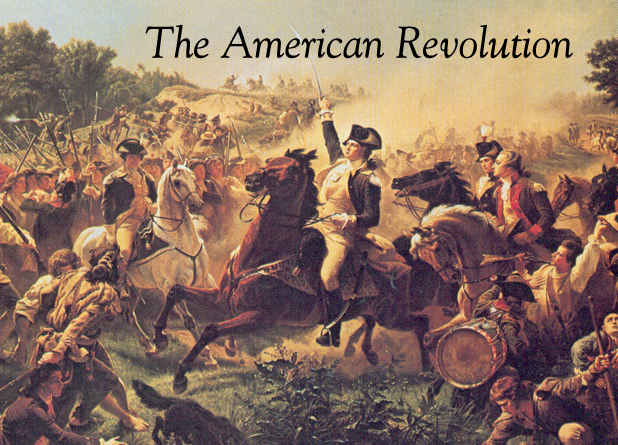
American Revolution and Decline of British Indigo Trade .During the American Revolution, the indigo trade was disrupted. After independence, United States lost preferential access to the British market, causing a significant decline in American indigo exports, though the crop was still cultivated for domestic use.

1790s

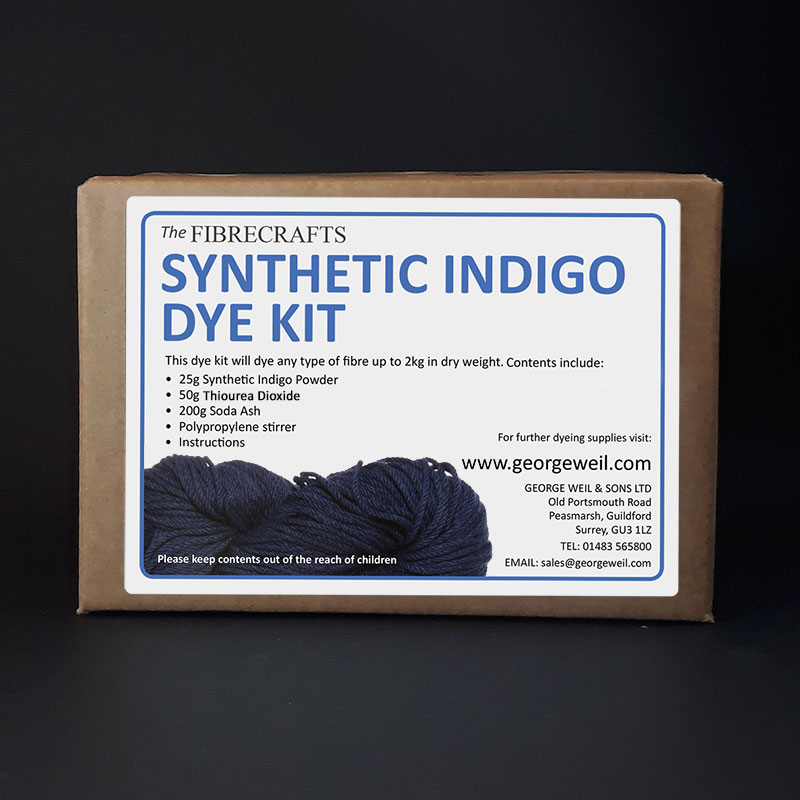
Rise of Synthetic Alternatives and Shift in Crop Focus. The invention of synthetic dyes and the increased profitability of cotton gradually made indigo less economically viable. Cotton became the dominant cash crop in the southern U.S., with indigo cultivation declining by the early 19th century.

1807

Abolition of the Transatlantic Slave Trade. The U.S. and Britain banned the transatlantic slave trade, which slowed but did not end slavery in America. Indigo production continued in some areas, though it was limited compared to previous decades

1850s-1860s

End of Large-Scale Indigo Production in the U.S.A. By this time, indigo production in the U.S.A. had nearly disappeared, largely replaced by cotton. Synthetic dyes were becoming more accessible, and the economic focus had shifted.

20th century and beyond

Legacy of Indigo in African American Culture. Although large-scale indigo production declined, the cultural significance of indigo, especially its association with African heritage, persisted. African American communities have reconnected with indigo dyeing as an art form and symbol of resilience, reclaiming it through craft, art, and cultural.

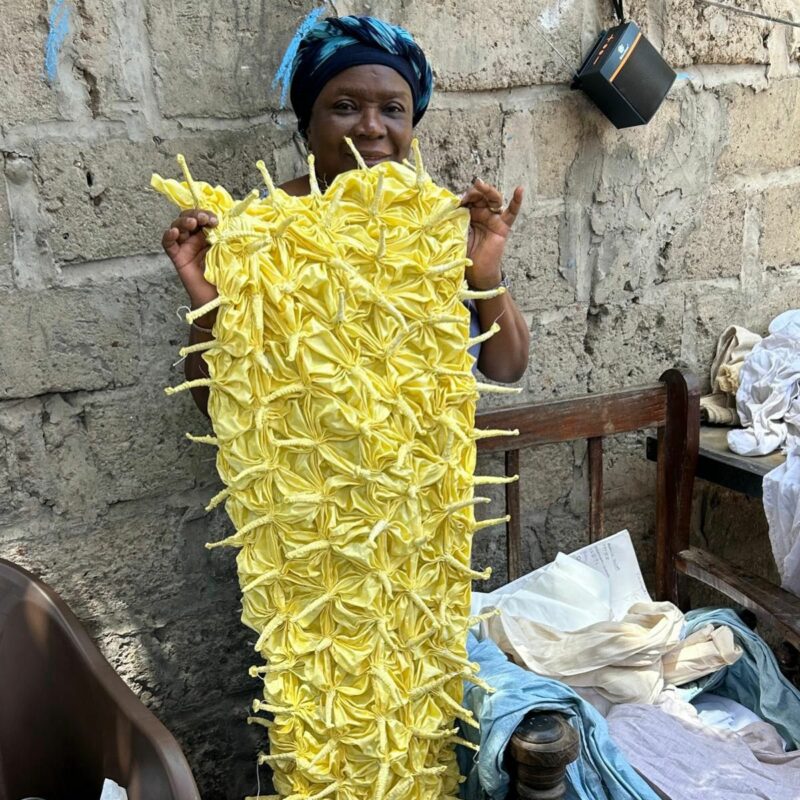
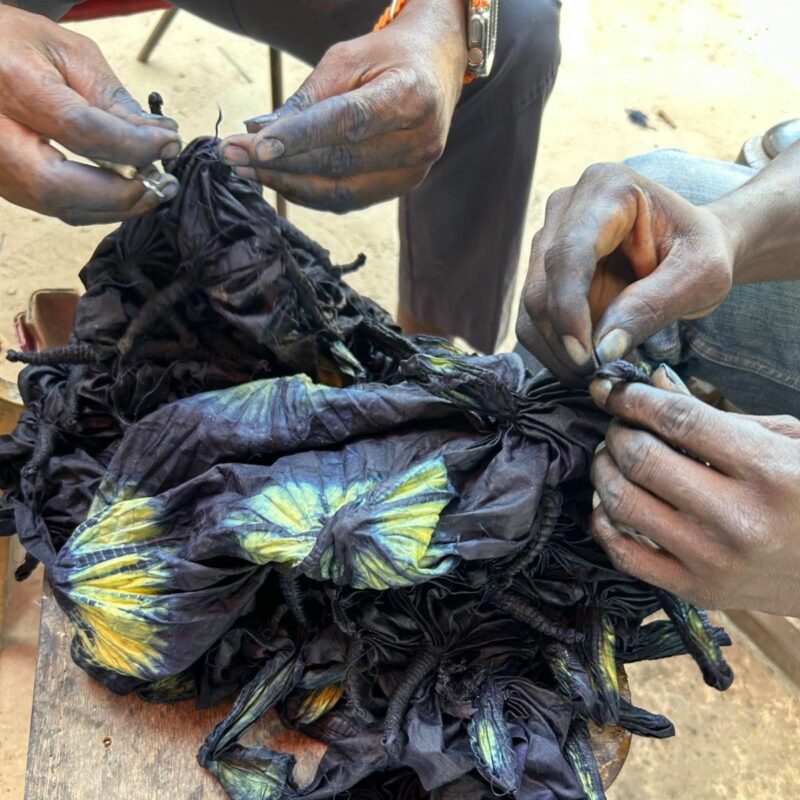
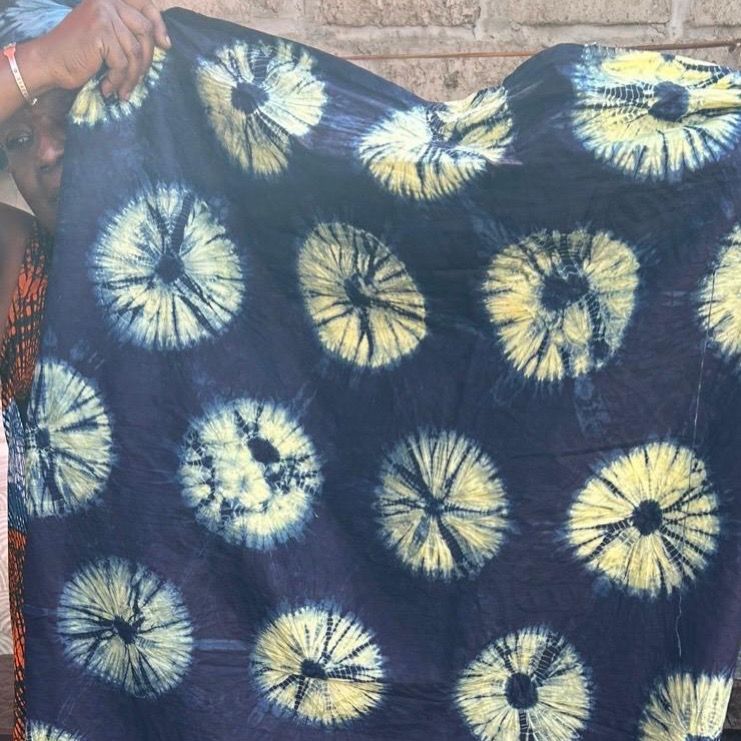
THE PROCESS